Confidence Comes from Experience. Experience Requires Courage.

Confidence Comes from Experience. Experience Requires Courage.

Confidence Comes from Experience. Experience Requires Courage.

— A Learning Guide for Teachers and Parents by Teacher Emil

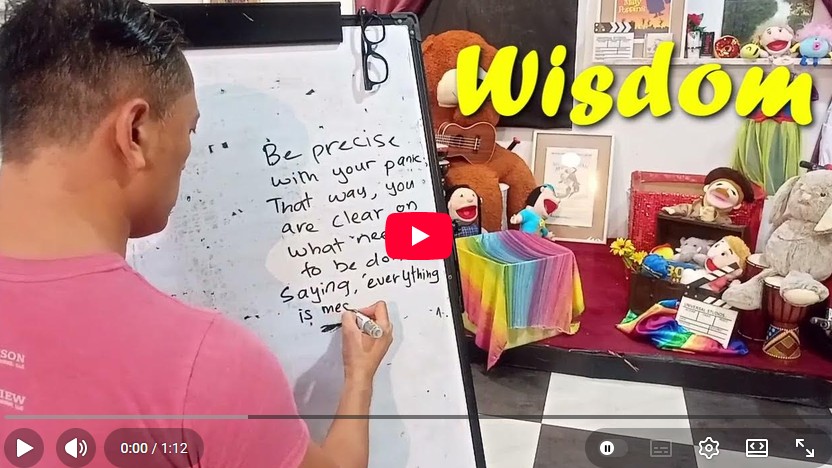
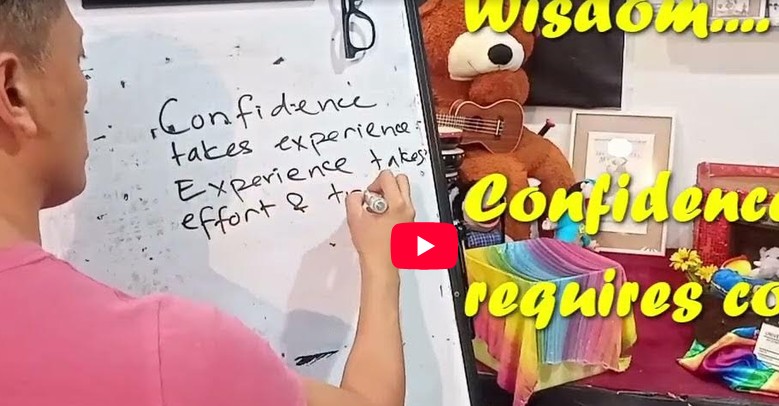
Teacher Emil’s powerful quote, “Confidence comes from experience. Experience requires courage,” reminds us of an important truth in child development. Confidence is not something children are simply born with; it grows as they try new things, face challenges, and learn from their experiences. But stepping into the unknown takes courage, especially for young learners.

As teachers and parents, understanding this connection helps us support children in building true confidence and resilience.

Why Confidence Grows from Experience

– Learning by Doing: Children develop skills and knowledge when they actively try activities instead of just hearing about them.
– Overcoming Fear: Each new experience helps children face fears and build bravery.
– Building Self-Esteem: Successfully navigating challenges boosts a child’s belief in their abilities.
– Encouraging Independence: With experience, children feel more capable of handling tasks on their own.
– Developing Problem-Solving: Trying things out teaches children how to adapt and find solutions.

Why Courage Is Needed for Experience

– Fear of Failure: New or difficult tasks can be scary or frustrating for children.
– Risk of the Unknown: Stepping outside comfort zones requires bravery.
– Facing Mistakes: Courage helps children accept mistakes as part of learning.
– Resisting Pressure: Children need strength to try despite doubts or peer opinions.

How Teachers and Parents Can Foster Courage and Confidence

1. Encourage Trying New Things

Offer opportunities for children to explore different activities—arts, sports, or problem-solving tasks.

2. Celebrate Effort Over Perfection

Praise children for their hard work and bravery in trying, not just the outcomes.

3. Share Stories of Courage

Talk about times you or famous people tried despite fears and learned from it.

4. Create a Safe Environment

Make sure children know it’s okay to fail and that mistakes are steps toward success.

5. Support Reflection

After experiences, discuss what was learned, what was challenging, and what made them proud.

Practical Activities to Build Confidence Through Courage

– “Brave Steps” Chart: Help children list new things they want to try and check them off when done. Celebrate each brave step!
– Role-Playing Fear: Act out situations that feel scary (like speaking in front of the class) to practice confidence in a safe way.
– Story Sharing Circle: Have children share stories about times they were brave or tried something new.
– Challenge Jar: Write small challenges on slips (e.g., “Try a new food,” “Say hello to someone new”). Children pick one to do weekly.
– Growth Mindset Talks: Use simple phrases like “Mistakes help me learn” or “I can get better with practice” regularly.

Why This Matters for Children’s Growth

By linking confidence to courageous experiences, we help children become resilient learners who embrace challenges. These life skills prepare them not only for school but for all kinds of situations they will face as they grow.

Conclusion

Teacher Emil’s quote reminds us that confidence is earned through the courage to experience new things. As adults, our role is to encourage bravery, celebrate effort, and create safe spaces where children can grow into confident, capable individuals ready to take on the world.

If you would like lesson plans or more creative ideas to help children build courage and confidence, I’m here to assist!

  • Share

TeacherEmil

Leave a Reply

Your email address will not be published. Required fields are marked *