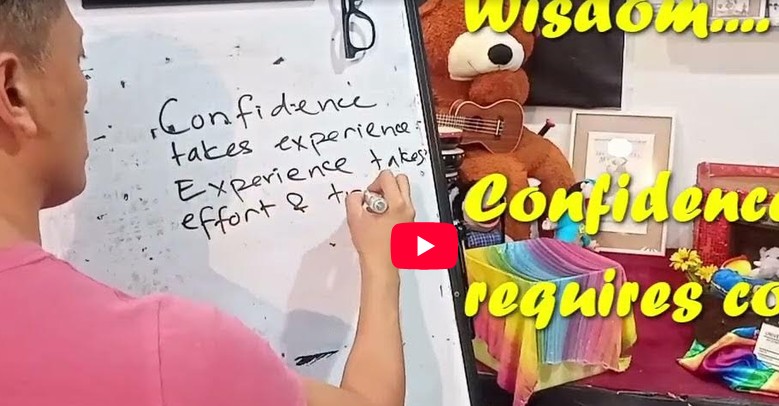
Introducing and Teaching the Value of Self Worth to Children & Youths

Introducing and Teaching the Value of Self Worth to Children & Youths

Introducing and Teaching the Value of Self-Worth to Children & Youths

Self-worth is the belief that you are valuable and deserve respect and kindness—both from yourself and from others. Teaching children and youths about self-worth is one of the most important gifts we can give them. When they understand their own value, they grow up confident, resilient, and ready to face life’s challenges.

Why Is Self-Worth Important?

1. Builds Confidence

Children who feel good about themselves are more willing to try new things and take on challenges without fear of failure.

2. Supports Healthy Relationships

When children value themselves, they expect to be treated with respect. This helps them form friendships that are positive and supportive.

3. Protects Against Negative Influences

Strong self-worth helps children resist peer pressure, bullying, and negative messages because they know their own value.

4. Encourages Emotional Well-being

Feeling worthy improves mental health by reducing anxiety, stress, and feelings of loneliness.

How to Introduce Self-Worth to Children and Youths

Start with Positive Affirmations

Use simple, encouraging phrases like “You are important,” “You matter,” or “You can do great things.” Repeat these often so children internalize them.

Teach Them to Recognize Their Strengths

Help children identify what they are good at—whether it’s kindness, creativity, sports, or problem-solving. Celebrate these strengths regularly.

Encourage Self-Reflection

Ask questions like “What makes you proud of yourself today?” or “What do you like most about yourself?” This helps children connect with their inner worth.

Model Self-Worth Yourself

Children learn a lot by watching adults. Show them how you care for yourself by setting boundaries, practicing self-care, and speaking kindly about yourself.

Create a Safe Environment

Make sure children know it’s okay to make mistakes and that they are loved regardless. A supportive environment fosters healthy self-worth.

Practical Activities to Build Self-Worth

– Strengths Collage: Have children create a collage using pictures or words that represent their best qualities.
– Gratitude Journal: Encourage writing about things they like about themselves or things they are thankful for.
– Compliment Circle: In a group, take turns giving compliments to each other to boost confidence and kindness.
– Goal Setting: Help children set small, achievable goals and celebrate when they reach them.

Challenges to Keep in Mind

Sometimes children may struggle with low self-worth due to bullying, family issues, or social pressures. Patience, consistent support, and sometimes professional help can make a big difference.

Conclusion

Teaching children and youths about self-worth is essential for helping them grow into happy, strong adults. When we guide them to see their value and believe in themselves, we equip them with the foundation for success in all areas of life.

Let’s commit to nurturing self-worth in every child—because every child deserves to know: You are enough just as you are.

If you want me to provide examples or tips for different age groups or settings, please let me know!

  • Share

TeacherEmil

Leave a Reply

Your email address will not be published. Required fields are marked *